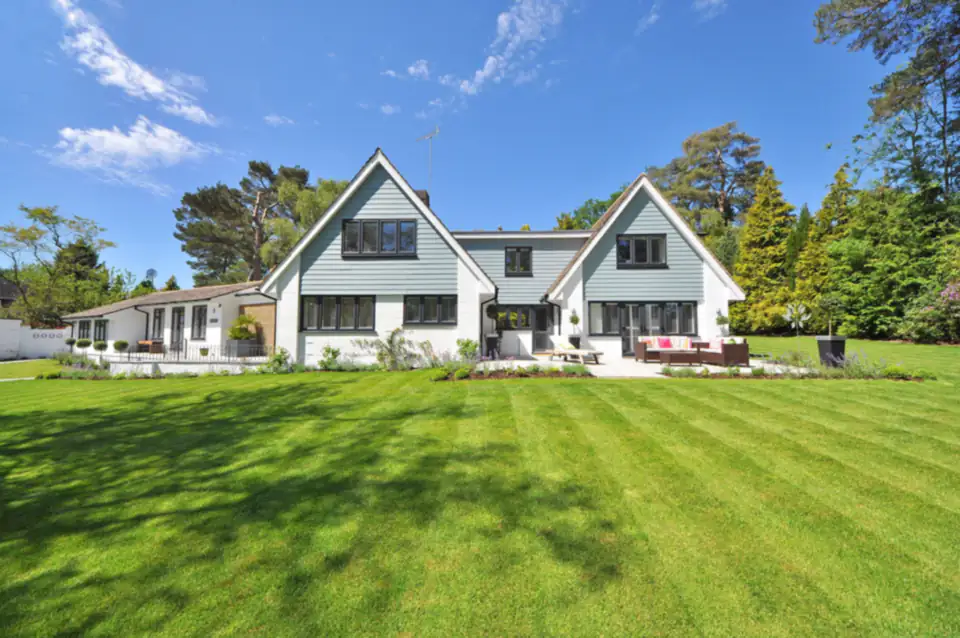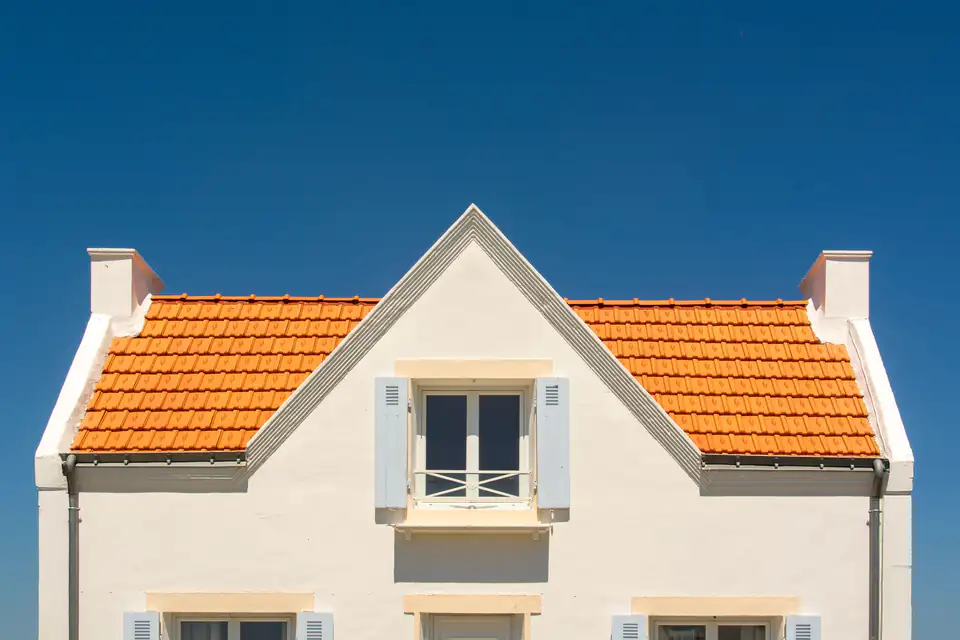
Paint is fussy about temperature and moisture. Here is how Highlands weather changes the way an outside job is planned.
The Southern Highlands are beautiful, but the weather asks more of exterior paint than the coast does. Frosty mornings, cold snaps and, around Robertson, a lot of rain and mist all affect how paint goes on and how it cures.
Why temperature matters
Every tin of paint lists a minimum temperature for application. Below it, water-based paint may not form a proper film as it dries. The result can look fine at first, then crack or wear early. The surface temperature counts too, and on a frosty morning a wall can stay colder than the air for hours.
Frost and dew
Paint applied late in the afternoon can be caught by evening dew or frost before it has dried, leaving marks or a weak finish. That is why outside work in the Highlands is planned for the warmer middle part of the day, starting once surfaces have warmed and dried and finishing with time to spare before the temperature drops.
Damp and shade
In the wetter eastern Highlands, timber and shaded walls can hold moisture for days after rain. Paint over damp timber and it will not hold. Moisture checks and mould treatment come before any coating, and outside work waits for a dry run in the forecast.
- Plan big exterior jobs for the milder months where you can.
- Leave room in the schedule for weather days.
- Expect the crew to start a little later on cold mornings. It protects the finish.
- Interior painting can go ahead in most weather, so it can fill the gaps.
Is winter painting possible?
Yes, on the right days, and with paint suited to cooler conditions. It just needs more careful planning around the forecast than a summer job on the coast.
Quick answers
When is the best time to paint outside in the Southern Highlands?
Mild, dry spells in spring and autumn are best. In winter, outside work is planned for the middle of the day, after the frost and dew have gone and well before the evening dew returns.
Can you paint in cold weather?
Inside, yes, with some warmth and ventilation. Outside, most paints need the air and surface above a minimum temperature while they dry, so frosty nights and cold mornings limit the hours.
This guide is general advice. Every house is different, so ask us about yours.